Plaid Christmas Deer Antlers PNG Clipart Review for Real Embroidery Projects
As an embroidery designer who has spent years evaluating digital assets for real-world use, I always look for a balance between visual charm and technical viability when assessing new designs. The Plaid Christmas Deer Antlers PNG Clipart caught my eye with its festive theme and plaid pattern integration. Let’s dive into what it brings to the table as both a design element and a practical asset in your next project.
A Cozy Holiday Vibe with a Dash of Quirky Charm
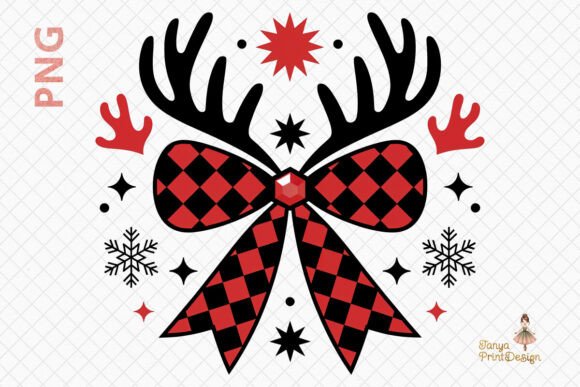
The first thing that stands out about this design is its cozy, nostalgic aesthetic. The deer antlers are stylized with a plaid motif, giving them a warm, autumnal feel while still fitting into a classic holiday theme. It doesn’t scream “Christmas” but instead offers a subtle nod to the season—perfect for those who prefer understated, yet meaningful, seasonal details.
Visually, the design feels playful without being childish. Its layout is compact and symmetrical, which makes it ideal for placement on smaller areas like the front of a sweatshirt or the corner of a tote bag. The level of detail is moderate; the plaid lines are consistent and clean, avoiding overly intricate patterns that might lose clarity during stitching. This means it maintains stitch integrity even when scaled down slightly.
What Kind of Project Does It Belong To?
I can immediately picture this on a custom embroidered sweatshirt, paired with a simple red-and-green color scheme and maybe some minimal snowflake accents nearby. It also works well as an embroidered patch—especially one intended for a woodland-themed baby blanket or nursery wall hanging. The shape is friendly and approachable, making it suitable for a wide range of handmade products like aprons, pillow covers, or even decorative tea towels.
For Etsy sellers and small shop product creators, this clipart could serve as a great addition to holiday gift tags, ornament templates, or printable mockups for seasonal items. It adds a touch of personality without overwhelming the design space, which is essential for maintaining a professional appearance across multiple platforms.
Real-World Performance: What Works and What Doesn’t
In terms of performance, the Plaid Christmas Deer Antler design holds up reasonably well under various conditions. The lines of the plaid pattern translate fairly cleanly into stitch paths, though you’ll want to keep an eye on how they render depending on your machine and settings.
- Custom Apparel: This design looks especially nice on long-sleeve sweatshirts and hoodies. The plaid texture complements heavier fabrics like French terry or fleece, where it won’t get lost in softness or stretch.
- Baby Clothes & Nursery Decor: The gentle colors and non-threatening imagery make it a good fit for baby embroidery. It could work on onesies or bibs if placed thoughtfully and not overcomplicated by too many surrounding elements.
- Tote Bags: As a tote bag design, it’s charming enough to draw attention without being too loud. Just be mindful of fabric type—avoid very thin or stretchy materials unless you’re using heavy stabilizer.
- Holiday Gifts: For personalized gifts like mugs, ornaments, or greeting cards, the design fits perfectly. It adds just enough character to make a gift memorable without overshadowing other text or graphics.
- Commercial Embroidery: If you're planning to use this in a commercial setting, such as branded merchandise for a boutique or craft store, the design should integrate smoothly with other design assets. However, due to its thematic nature, it may not align with all brand identities—especially those leaning more modern or minimalist.
Where to Use with Caution
While this design is versatile, there are a few areas where it might require extra attention:
- Small Hoop Sizes: The antlers have a decent amount of detail, so scaling them down too much could result in lost clarity. Always check the minimum hoop size recommended by the file creator before finalizing your project.
- Textured Fabrics: On flannel or canvas, the plaid pattern may become less defined. A solid cotton base tends to show off the design best.
- Thin or Stretchy Fabrics: These materials can cause distortion in fine lines. Extra stabilizer is necessary to maintain shape and prevent puckering.
- Dark Fabric Backgrounds: The muted tones of the design might not pop as well against darker substrates. Consider using white or cream-colored thread for better contrast.
- Curved Surfaces: Placing it on a cap or curved surface may require some manual adjustment to ensure it sits evenly after stitching.
Design Notes for the Practical Embroiderer
Here are some tips to help you maximize the effectiveness of this design in your projects:
- Test First: Always try the design on scrap fabric before committing to a finished product. This helps catch any issues with thread colors or stitch behavior early on.
- Check Thread Contrast: The default thread palette is cute, but not every project will benefit from it. Try swapping out thread colors to match your fabric or brand style.
- Review Stitch Density: Since the plaid uses a mix of fill stitches and running stitches, adjusting the density can help avoid overstuffing delicate fabrics or causing hoop damage.
- Confirm Licensing: If you plan to sell finished products or offer the design as a digital embroidery file, make sure licensing allows for commercial use. Many free cliparts come with restrictions.
- Mockup Testing: Try rendering the design in black and white or grayscale to see how it performs in monochrome setups. Also compare it on light and dark backgrounds to evaluate visibility and appeal.
Visual Appeal vs. Stitching Clarity
One of the key considerations when using this design is how it balances visual appeal with stitch clarity. The plaid pattern gives it a rich texture that translates well into stitched form, but the same complexity can lead to problems if the stitch density isn't properly adjusted. For example, placing it on a stretchy knit without stabilizer might cause the plaid lines to skew or the overall shape to warp.
On the flip side, the simplicity of the deer antler shape ensures it remains recognizable even when simplified. This makes it adaptable for different styles—whether you're going for a detailed machine embroidery design or a bold, single-color applique design.
Adding Value to Your Handmade Products
When used correctly, the Plaid Christmas Deer Antlers PNG Clipart can significantly enhance the perceived value of your handmade product. Its seasonal relevance increases giftability, and the plaid detail gives it a unique twist that sets it apart from generic holiday motifs.
From a customer perspective, this kind of design builds brand consistency and trust—especially if you’re known for creating thoughtful, seasonal items. The warmth of the plaid combined with the whimsical deer shape creates a strong sense of recognition, which is vital for repeat buyers and Etsy visibility.
It also plays well with other holiday embroidery elements, like snowflakes, stars, or candy canes. But don’t go overboard—stick to a cohesive palette and let the design shine as a supporting feature rather than the main event.
Final Thoughts for Creative Entrepreneurs
Overall, the Plaid Christmas Deer Antlers PNG Clipart is a solid choice for embroidery projects that aim to capture a cozy, rustic holiday spirit. It’s not the most complex design available, but that’s part of its charm. It works well on a variety of custom apparel and small shop products, and when handled with care, it can elevate your finished product in subtle but impactful ways.
Remember, the best way to know whether a design will work for your specific needs is to test it yourself. Every machine behaves differently, and fabric choices vary widely. Take the time to review stitch density, choose appropriate thread colors, and confirm the hoop size requirements. And if you're planning to sell the final item or distribute it commercially, always double-check the license terms to avoid any legal pitfalls.
With these considerations in mind, the Plaid Christmas Deer Antlers can become a reliable and appealing addition to your seasonal design toolkit.