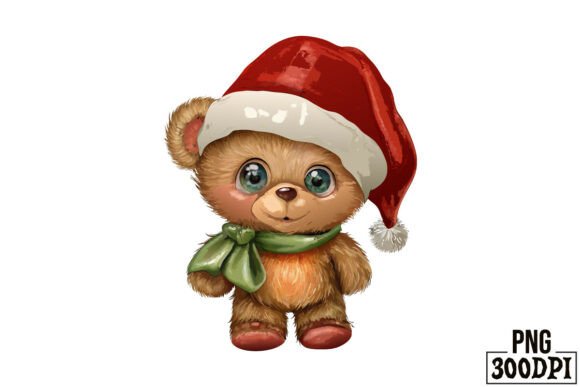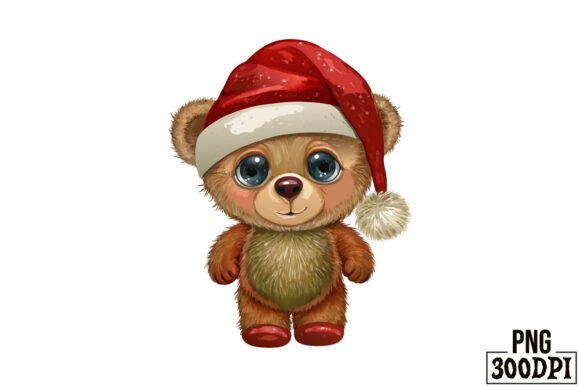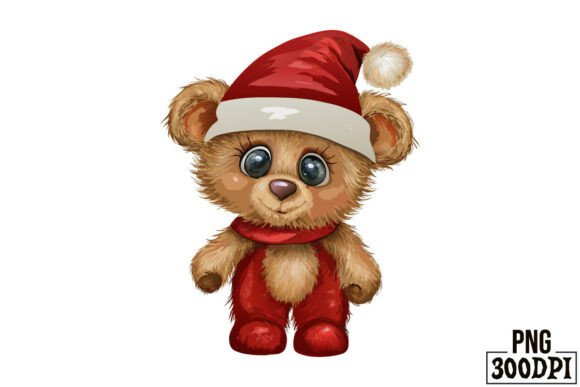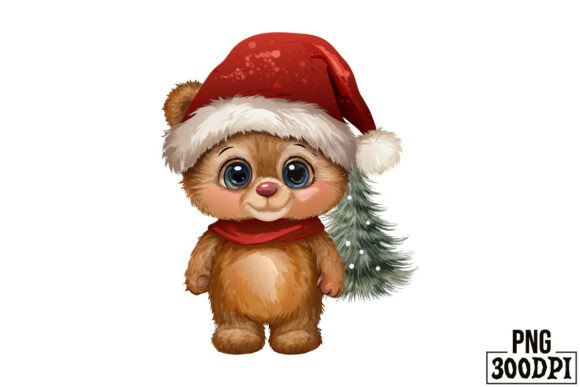
Cute Bear with Christmas Clipart 14 for Crafts and Blog Graphics
In the world of digital publishing, the difference between a scroll-past and a click-through is often measured in pixels. As a designer who has spent years refining editorial layouts and optimizing content for readability, I approach every graphic design asset not just as decoration, but as a strategic tool for visual communication. When evaluating Cute Bear with Christmas Clipart 14, my primary focus is on how this element integrates into a real-world publishing workflow, supporting brand identity while maintaining editorial integrity.
This review explores how this specific clipart fits into the broader landscape of crafts and seasonal content marketing. We will look at its potential impact on reader trust, its versatility across different web design platforms, and the practical considerations necessary before deploying it in monetized or affiliate-driven environments.
The First Impression: Editorial Mood and Niche Alignment
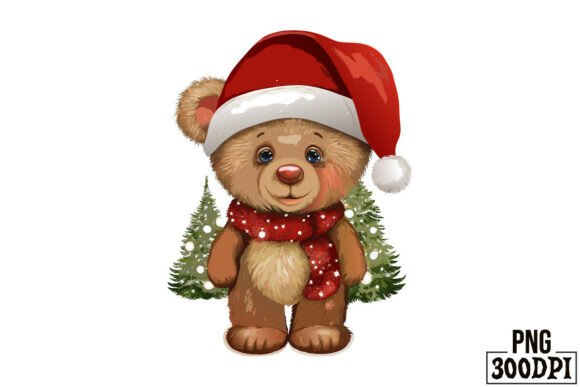
Upon first viewing Cute Bear with Christmas Clipart 14, the immediate takeaway is its distinctively playful yet polished aesthetic. It does not feel like a generic stock image; rather, it carries the weight of intentional creative design. The mood is undeniably festive, leaning heavily into the cozy, lifestyle-focused corner of the internet that thrives during the holiday season. This makes it an ideal candidate for niches such as parenting blogs, home decor sites, craft tutorials, and small business branding efforts that aim to humanize their audience connection.
From an editorial perspective, the asset strikes a balance between professional clean lines and decorative warmth. It avoids the cluttered look of older clipart styles, opting instead for a modern design sensibility that aligns well with current web design trends. For content creators targeting families, educators, or hobbyists, this bear provides a visual anchor that signals approachability. It suggests that the content following it is friendly, accessible, and curated with care. In an era where user experience dictates engagement, establishing that initial tone of trust through visual cues is paramount.
Integrating Visual Assets into Real Publishing Workflows
One of the most common challenges bloggers and digital publishers face is maintaining consistency across multiple touchpoints. Cute Bear with Christmas Clipart 14 offers significant utility when applied to a multi-channel content strategy. Its vector-like quality (assuming standard high-resolution availability) allows it to scale effectively across various formats without losing definition.
Consider the typical weekly workflow for a content creator. You might need a featured image for a blog post about holiday gift guides. By incorporating this bear into the header, you immediately categorize the post for the reader. It serves as a visual shorthand, reducing cognitive load and helping users navigate your site more intuitively. Similarly, for newsletter creators, this asset can transform a standard email header into a branded experience. A well-designed newsletter banner featuring this clipart can increase open rates by signaling seasonal relevance and effort.
Beyond static web pages, this graphic design asset is highly adaptable for social media graphics. Pinterest remains a critical driver of traffic for lifestyle and craft niches. Creating a dedicated Pinterest pin that utilizes this bear as a central motif can improve click-through potential. The visual hierarchy created by placing the bear alongside clear, bold typography ensures that the message is understood instantly, even on smaller mobile screens. Furthermore, for those creating lead magnets or digital guides, this asset can serve as a cover element, making downloadable resources appear more valuable and professionally produced.
Enhancing Content Performance Through Design
When used correctly, Cute Bear with Christmas Clipart 14 contributes directly to key performance indicators. Stronger first impressions are built on clarity and aesthetic pleasure. If a visitor lands on a page and sees cohesive, high-quality visuals, they are more likely to stay and explore. This asset supports clearer visual hierarchy by acting as a focal point that draws the eye toward headlines or call-to-action buttons.
Moreover, consistent use of such distinctive design assets strengthens brand identity. Over time, readers begin to associate the specific style of the bear with your unique voice. This recognition builds long-term reader trust. In the context of affiliate marketing, where credibility is currency, presenting products within a visually appealing and professionally designed layout can subtly influence purchasing decisions. It elevates the perceived value of the recommendation.
Strategic Placement and Contextual Fit
To maximize the effectiveness of this clipart, understanding where it shines is essential. It works exceptionally well in hero images where space allows for larger, more detailed presentation. Article thumbnails benefit from its recognizable silhouette, especially when paired with contrasting background colors. For editorial accents, such as bullet points or section dividers in long-form articles, it adds a touch of personality without overwhelming the text.
However, strategic placement also requires knowing where to exercise caution. Small mobile thumbnails can sometimes lose detail if the asset is too intricate. In these cases, simplifying the composition or ensuring the bear is large enough relative to the container is crucial. Additionally, this playful asset should be used carefully in serious professional niches. If you are writing corporate content or covering sensitive topics, the whimsical nature of the bear may undermine the authority of your message.
Similarly, low-contrast backgrounds can cause the asset to disappear, harming readability. Always preview your designs against the actual background colors you intend to use. Busy layouts can also compete with the clipart, creating visual noise that distracts the reader. In such scenarios, consider using the bear as a standalone element with ample white space around it to let it breathe.
Practical Publisher Notes for Implementation
Before integrating Cute Bear with Christmas Clipart 14 into your live site, several technical checks are recommended. First, test the asset on both desktop and mobile screens. What looks balanced on a wide monitor may feel cramped on a smartphone. Check how it renders as a thumbnail in search engine results or social media feeds.
Preview the graphic inside a real blog layout. Does it clash with your existing color palette? Test it with various font pairings. Placing it beside a serif font might create a classic, editorial feel, while pairing it with a sans-serif font could yield a more modern, clean look. Script or handwritten fonts might enhance the playful vibe, but ensure legibility remains intact. Display fonts can work well for headlines adjacent to the bear, provided the contrast is sufficient.
File size is another critical factor for web performance. Large images can slow down page load times, negatively impacting SEO and user experience. Compress images properly using tools designed for web optimization. Finally, confirm your commercial license. If you are using this asset on monetized websites, affiliate pages, or paid content products, you must ensure you have the right to do so. Using a graphic without proper commercial licensing can lead to legal issues and damage your reputation as a credible publisher.
Conclusion for Creative Entrepreneurs
Cute Bear with Christmas Clipart 14 represents more than just a seasonal decoration; it is a versatile component of a robust content marketing strategy. For small business owners, online educators, and creative entrepreneurs, leveraging high-quality design assets can significantly elevate the professionalism of their output. Whether you are designing a Canva template for a client, creating a printable design for a workshop, or simply updating your website header for the holidays, this asset offers a reliable way to connect with your audience.
By approaching graphic design with an editorial mindset, you ensure that every pixel serves a purpose. Use this bear to enhance your visual identity, support your content goals, and create a memorable experience for your readers. In the competitive landscape of digital publishing, attention to these details is what separates good content from great content.